Organic vegetables - why choose them?
1 February 2022
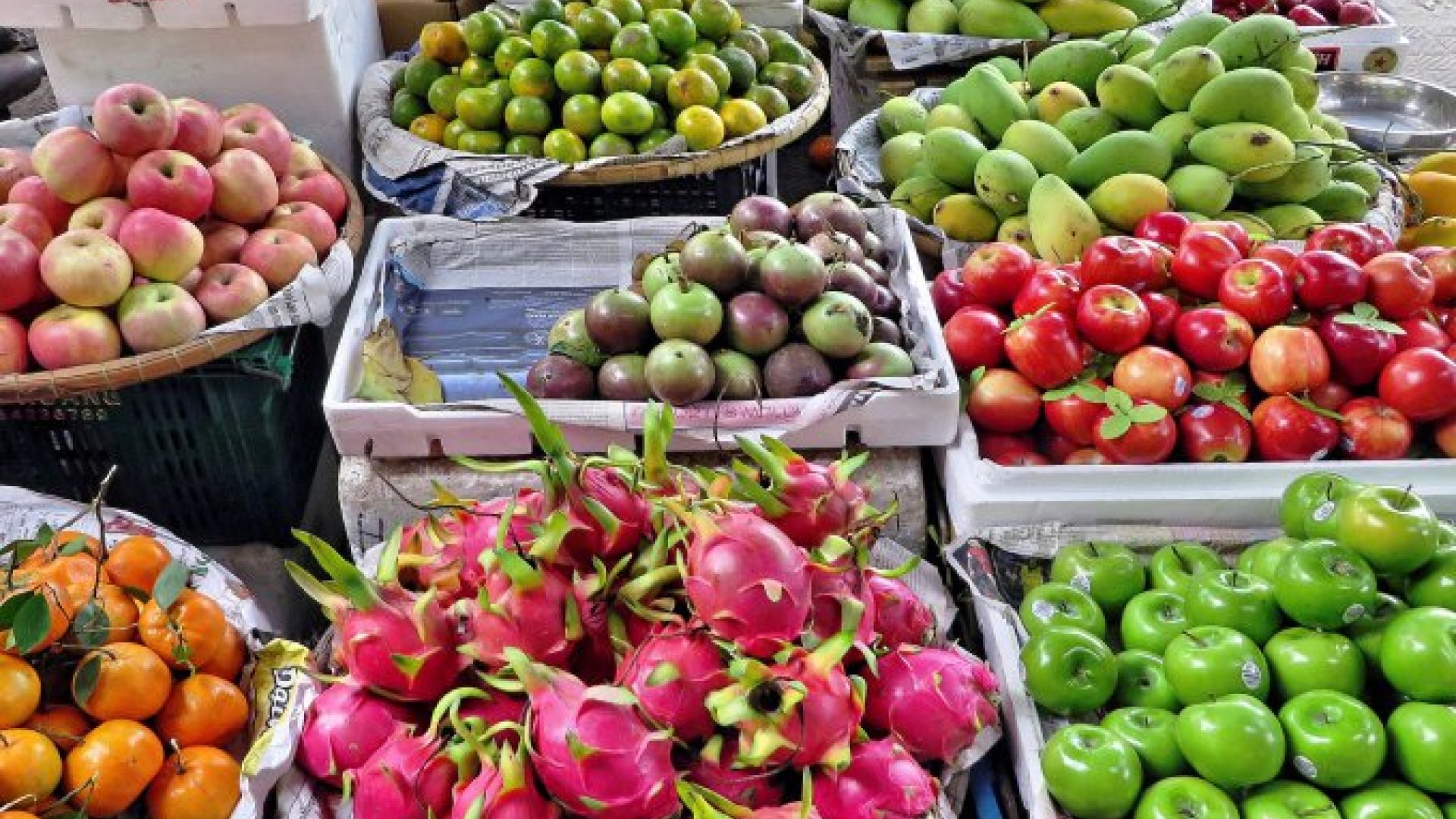
Who among us can forget the old slogan "Five times a day" that was instilled in children about eating fruits and vegetables? According to the World Health Organization (WHO), the recommended daily intake of these foods is five, or just over 400g per day, to improve health and reduce the risk of non-communicable diseases.
Depending on the type of vegetable or fruit, each serving is equivalent to one cup of very small fruit, one cup of salad, or one cup of cooked vegetables. The WHO recommends eating at least three servings to reap the benefits of their recommendations, but it is more common to eat five. Why is there so much emphasis on eating lots of fruits and vegetables?
These nutrient-rich foods are so recommended that you should eat them every day. This is because they contain all the nutrients your body needs, including fiber, water, antioxidants and minerals, as well as vitamins and vitamins. They are low in calories and have no cholesterol.
If you want to live a healthy life, they are a must. They are especially beneficial for the youngest members of your family because they can help improve their academic performance and stimulate their intellectual and physical development. Among the compounds in them are many vitamins and minerals.
These foods are low in calories due to their bulk. This helps in losing weight and maintaining it. They can help prevent some diseases such as diabetes and cardiovascular problems. Some of their compounds can even prevent the appearance of certain types of cancer. This is why we should consider fruits and vegetables as a source of vitality that can prolong life and ensure good health.
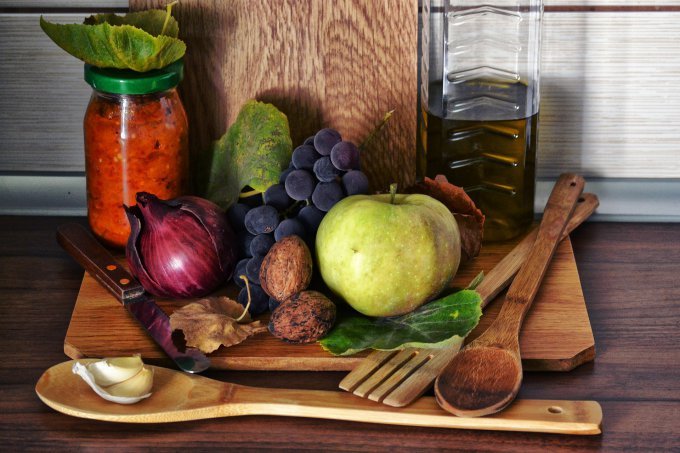
Today, you can enjoy these fruits and vegetables regardless of the month, thanks to imports and production in greenhouses throughout the year. However, it's best to eat seasonal, locally sourced produce, so here are some ideal ingredients for each month.
Not sure how to incorporate these ingredients into your daily diet? Here's a list to help you get your daily dose of fruits and vegetables. There are many options for breakfasts, snacks and desserts with fruit: juices, smoothies, homemade ice cream, fruit salads, homemade ice cream, fruit cakes and baked goods containing these delicious ingredients, such as fruit pancakes, pies or cookies. There are many combinations that can be prepared with vegetables: creams and purees, ratatouilles, vegetable tempuras, grilled vegetables or gazpacho.