Organic vegetables - why choose them?
1 February 2022
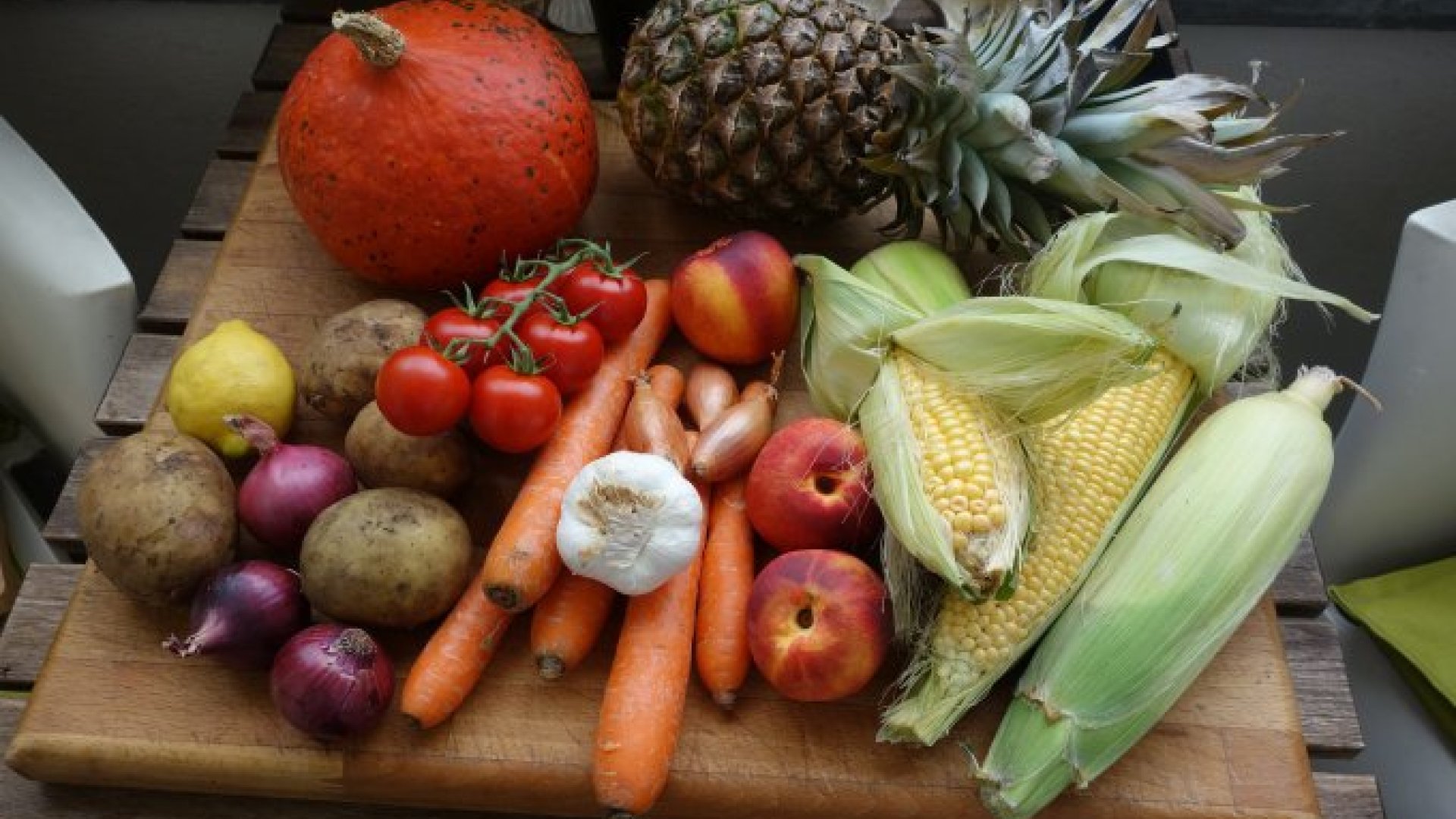
Vegetables and fruits contain natural plant compounds that can help your body stay healthy. Variety is key. You may not be a fan of vegetables, but you'll find that you can compensate by eating a variety of fruits. It's easy for us to understand why. They are almost always referred to together, using the phrase "eat fruits and vegetables." Since both are healthy plant foods, it's easy to assume that they are interchangeable when it comes to providing the nutrients required by the human body.
This is partially true. Vitamin C can be found in berries almost as easily as broccoli. Beets and bananas contain potassium. However, fruits and vegetables also contain phytonutrients. These are natural plant compounds that can help us live longer. You are more likely to get the most phytonutrients if you eat fruits and vegetables at the same time.
The flavors and colors of fruits, vegetables, and other vegetables are due to phytonutrients. You can see the differences between fruits and vegetables when you consider the many flavors and shades they offer (rather than a simple source of vitamins and minerals).
As mentioned, broccoli and blueberries have similar levels of vitamin C. Their phytonutrient profiles are quite different. Some compounds are found more often in fruits and vegetables than in vegetables, hence why berries have a reddish-purple color. The strong aroma of cauliflower, broccoli and cabbage is due to phytonutrients. These flavor compounds are not found in fruits. Lycopene, another natural dye, gives fruits like tomato (yes, tomato is actually a fruit), pink grapefruit and guava their intense red color. It is not easy to find this compound in large amounts in most vegetables.
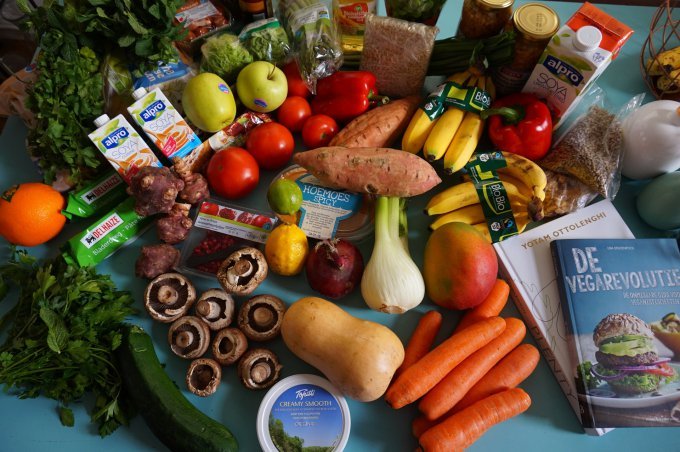
Many people will tell you that eating fruits and vegetables individually is better than eating them all together. Your diet should be varied. If this sounds familiar and you seem to think the same way, you may be wondering how to overcome your biases before choosing between fruits and vegetables.
Some people dislike fruits more than vegetables. This is often because of the texture of the fruit. If you don't like the texture of ripe fruit, you can blend it in a blender. If some fruits are too tart, try sweeter fruits. For example, tangerines are sweeter than most oranges.
If you don't like the texture or taste of cooked vegetables, you can try raw vegetables. You can experiment with spices such as garlic, citrus and herbs if strong flavors discourage you from eating vegetables. You can add them to soups, pasta sauces and stews, as well as other healthy recipes. Cook them until they are soft, but not too hard. Allow them to cool before adding them to your salad. You won't smell the strong flavor of the steam then.