Organic vegetables - why choose them?
1 February 2022
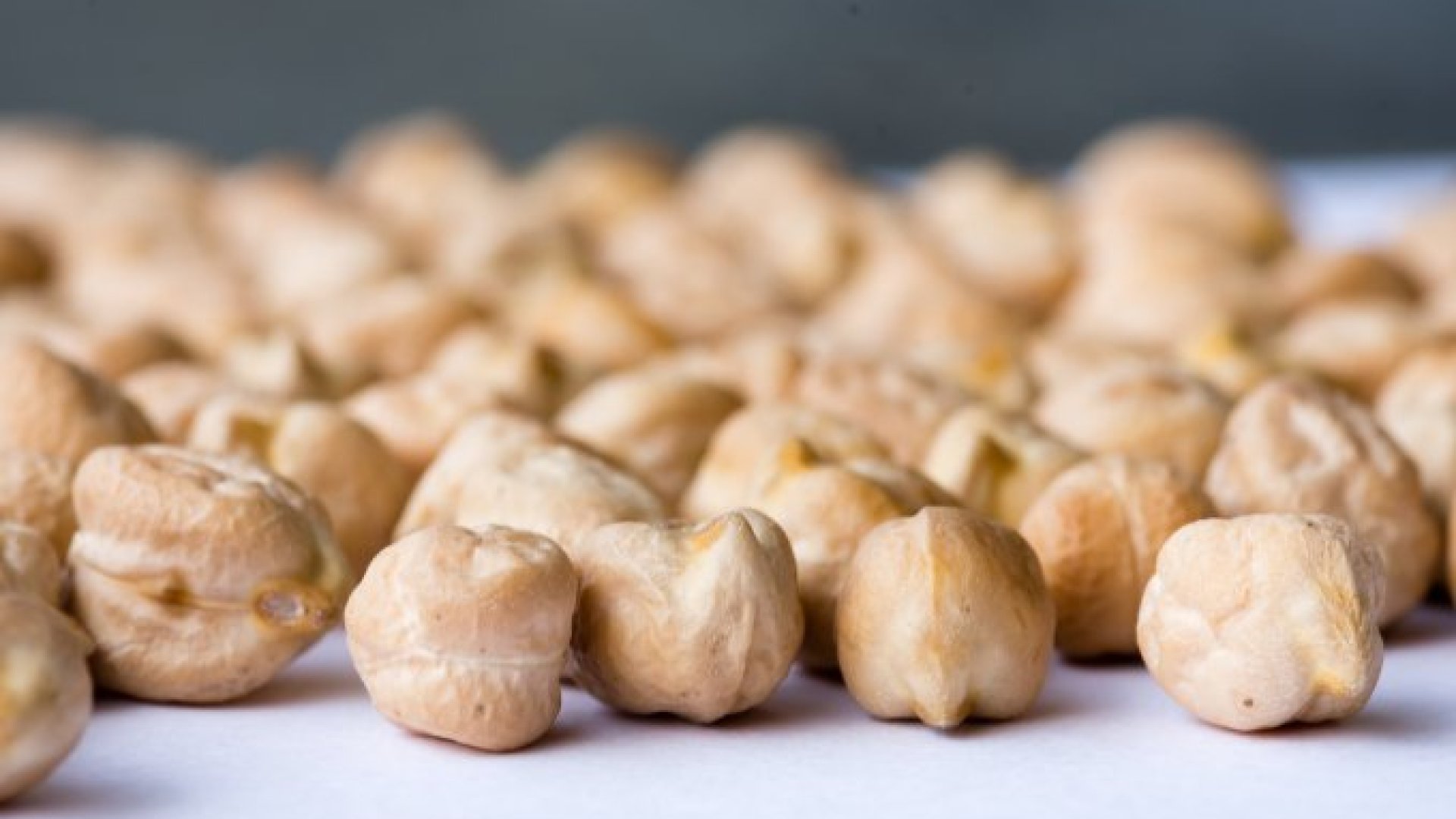
Regular consumption of 3/4 cup of chickpeas will not only have a positive impact on your health, but also on your figure. Not only will you have lower blood pressure and lower cholesterol, but you will also lose weight without having to make any sacrifices or follow weight loss diets.
Chickpeas are loved for their exceptional nutritional value and taste. Chickpeas are a great source of protein and fiber, but not the only one. Check out this article to learn more about how chickpeas can benefit your health and how you can prepare them!
What calories are in chickpeas? And are they worth eating as part of a diet? The way chickpeas are served can affect the number of calories. This is easy to find out:
No matter how you prepare it, the calories are good for you. Chickpeas are good for your health because they are rich in valuable nutrients.
Chickpeas, also known as walnuts, are an excellent source of valuable fiber and protein. It also contains vitamins such as C, K, A and B, folic acid, minerals such as iron, zinc magnesium, potassium, and most importantly very little fat (there is only 2.26g of it in 100g). It is believed to be the only plant that does not absorb contaminants from the soil.
Research confirms its positive impact on health. Studies have shown that it lowers "bad" cholesterol, blood pressure, prevents anemia. It is also recommended for women during menstruation. It also improves bowel function. Chickpeas can be consumed in diabetic diets due to their low glycemic (GI= 30).
What about weight loss? Canadian researchers once found that regular consumption of chickpeas (and other legumes), allowed participants to lose an average of 0.34 pounds in six weeks. While this may seem like a lot, the participants were not following any weight-loss diets or reducing their food portions. The researchers believe that the legumes in the diet prevented weight gain.
This is probably due to the fact that chickpeas, legumes, and other pulses generally satisfy hunger for long periods of time. People who snack are one of the main reasons why they fail to lose weight.
How to make chickpea soup that is not too fatty? Instead of cream, we recommend natural yogurt and olive oil. This recipe for spicy chickpea soup is available.
Wash the vegetables in warm water. Rinse the chickpeas soaked overnight. Transfer it to a large pot and add plenty of water. Cook for about 40 minutes. Stir frequently and scrape up the frothy bits.
Cut the celery, carrots, celery, kohlrabi, celery and parsley into small pieces. Transfer to a separate saucepan and bring to a boil. Chop the onion and sauté in olive oil in a skillet. Continue cooking in the pot with the vegetables.
Add the tomatoes, garlic, chili peppers and spinach leaves to the pot. Season the soup with all the spices in the chickpea soup recipe. Mix together the lemon juice, natural yogurt and olive oil and mix well.
Make sure the chickpeas have softened. Remove the chickpeas from the heat and add to the soup. Serve the soup to the table garnished with green parsley. Enjoy!
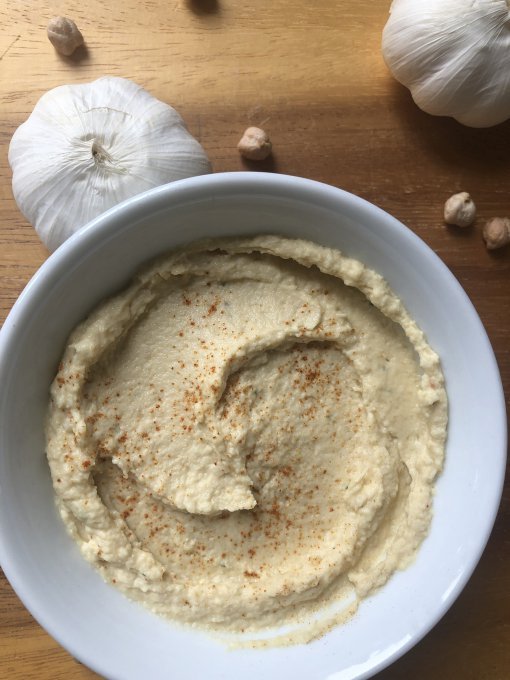
Chickpeas should be soaked in water with baking soda a day before preparing hummus. The chickpeas should have at least twice as much water. Overnight it will absorb the water and swell.
The next day, rinse the chickpeas and cook them in fresh water for about 40 minutes until they are tender and float to the surface. Sometimes the chickpea cooking water can be used to replace eggs in vegan recipes. Check out these recipes for interesting desserts made with aquafaba, the name given to the rare substance that is produced when chickpeas are cooked.
Once the chickpeas have been drained and softened, rinse them. Then add it to a bowl of tahina. This paste is made from sesame oil, olive oil, garlic, lemon zest and salt. Blend everything together and add ice water. When the hummus has a smooth consistency, it is ready to eat.
You can buy the tahini paste that is used to make hummus or make it yourself. You will need 1 cup of sesame seeds and 2 to 4 tablespoons of olive oil to prepare it. Roast the sesame seeds in a pan suitable for the oven. Be careful not to burn them. Blend the roasted and cooled sesame seeds until you get a smooth, oily paste. Blend for a few more minutes. Then add olive oil. Season with salt and put into a jar.
You can season the hummus with oil, sesame or parsley. You can make flavored hummus by adding the appropriate ingredients to the mix. You can also make hummus with broad beans or other legumes.
Hummus tastes best eaten with bread, pita bread or celery sticks.