Herbs and spices - a constant in Mexican cuisine
11 February 2022
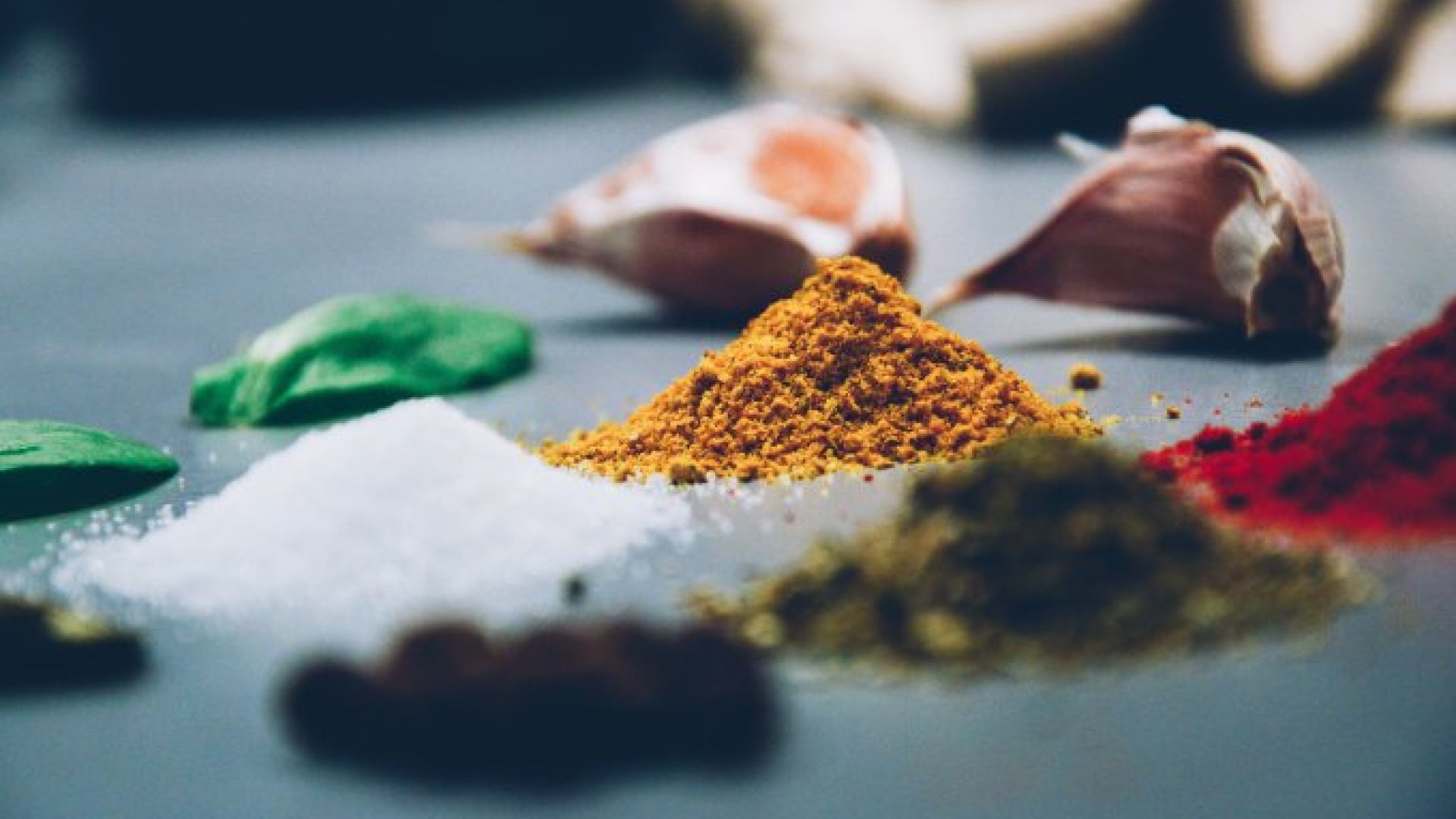
Are spices and herbs really the basis of cooking? To this day, I know people who only use salt and pepper in the kitchen. But what about restaurants? There are usually containers of salt and pepper on the table. Rarely is there olive oil, vinegar or maggi on the table. This misses the opportunity to enjoy the health-promoting properties of spices and herbs in the kitchen.
This is not advice. Eat meat because it is good for you - or avoid it altogether. I'm not going to urge anyone to start a garden on their balcony or raise a pig in their garage. Those who can and know how to do it will probably benefit from it (though maybe not in the garage).
I am far from giving advice on what is best for whom. But I know a lot about herbalism and I will share my knowledge with you. It is literally a matter of a few gold pieces. I will explain how the artificial can be replaced by the natural, I will mention the forgotten spice herbs and I will tell you why it is worth including them in your diet.
The main herb in this dish, which I feel has been removed from the kitchen but was once very popular, is thyme. It is used in infusion form to treat upper respiratory infections. I first encountered this spice a few years ago when I had the opportunity to attend a convention of "medieval people". Participants dressed in medieval costumes held feasts with dishes inspired by the Middle Ages.
My attention was drawn to the baked potatoes in herbs. I asked then: "- What herbs?". I was shocked to hear that thyme is used in almost every ..." dish. It has become a staple in my kitchen. It adds amazing flavor to both meat and potato dishes. Why is it worth adding it to your dishes? Thyme increases the secretion of gastric acid, so it is worth adding it to your meals. Thyme can also be used for stomach inflammation, intestinal disorders, and excessive fermentation.
Marjoram is the second herb. It is already available in smaller quantities. Due to its high essential oil content, it is very aromatic. However, Pyttipanna will dominate the entire blend. Marjoram is used as a spice and inhalant for upper respiratory infections. It is rich in tannins, phytosterols and mineral salts (potassium calcium, phosphorus and magnesium, iron, zinc and vitamins A,B1, B2 and C. This makes it a valuable ingredient.
Thyme can be used in very small quantities. This herb is rarely used in cooking. It also contains essential oils. Inhalation of its infusion can be used to treat upper respiratory tract infections. It has an antibacterial and antispasmodic effect. It is worth using in the kitchen its additional properties, among others, it increases the secretion of gastric juice and facilitates digestion.
I also add salt, pepper (I don't have to write about it here - black pepper "from a mortar", never ground, Himalayan salt) to the mix. - never ground, Himalayan salt and my favorite cumin seeds). Nigella, formerly known as black coriander, became fashionable a few years ago. When it comes to culinary value, it is responsible for its anti-flatulence effects. Its addition to a dish depends on individual preference. However, just a small amount can make a difference.
Soups - from vegetable to broth, liquid maggi is a popular choice. Maggi can be stored in the refrigerator even after the expiration date because it retains its flavor and aroma. It is not widely known that lovage is the main ingredient in Maggi, along with several other "agents" on the package. A common herb, it was once a staple spice for cooks and housewives. The root and leaves are harvested, but the leaves taste more like celery. It makes a great addition to soups and sauces. It can be substituted for liquid seasoning by adding a small amount of crushed root. The taste and aroma are the same. Lovage stimulates gastric juice secretion, improves intestinal peristalsis, accelerates digestion and prevents flatulence.
Poultry - whether fried, roasted or grilled - is a favorite dish of many people. We use ready-made seasonings or stick to standard salt, pepper and paprika. I will show you how to make your own seasoning by combining herbs with poultry.
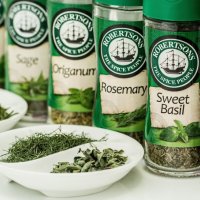
Rosemary, turmeric and sage; parsley can be dried or finely chopped fresh; or you can use marjoram, oregano and mugwort - all of which you can find at the herb store if you don't have them. Most people have pointed out the lack of salt and paprika. Of course, if someone sees the need, they can add. These herbs will not make our wings red. They will turn yellow when baked or fried. The seasoning is natural and has no preservatives. Now let's talk about the herbs.
A well-known herb, rosemary was believed to be able to ward off vermin and disease. It is used to treat intestinal spasms, bile, urinary tract and other digestive disorders.
It is the main ingredient in the carry spice. It gives the spice a yellow color and is a spice that originated in the Far East. You don't have to add pepper to it (that's another article), but it had to be combined with piperine (pepper) and was added to the list of spices. Turmeric (curcumin found in it) aids digestion, reduces inflammation, affects liver obstruction and can be used to treat stomach ulcers.
Sage is an herb that is used to cleanse the mouth after an infection or inflammation. Sage is not only tasty, but also has many other properties. It inhibits the growth and bleeding of microorganisms, lowers blood sugar, and its extracts can be used to treat inflammation of the intestines and stomach. It is also good for excessive sweating.... all in the interest of your health.
Parsley root is rich in vitamin C and minerals. It can also be grown in a pot, like many other herbs on this list.
Oregano, also known as wild marjoram or lembi, contains a fair amount of essential oil, tannins and ascorbic acid. It is mainly used as an expectorant, but it also stimulates the appetite and aids digestion.
It is used to treat gastroenteritis, flatulence and insufficient bile secretion, along with other spices. It also has a good effect on appetite.
These fruits are very rich in vitamin A and C, as well as tannins and pectin. They regulate digestion.
In cooking, you can choose such spices and herbs that you like. Be careful not to overwhelm the taste of the whole dish with marjoram.
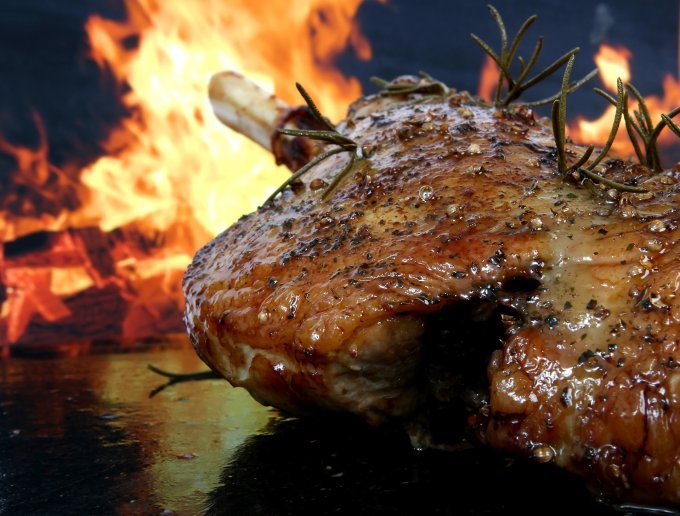
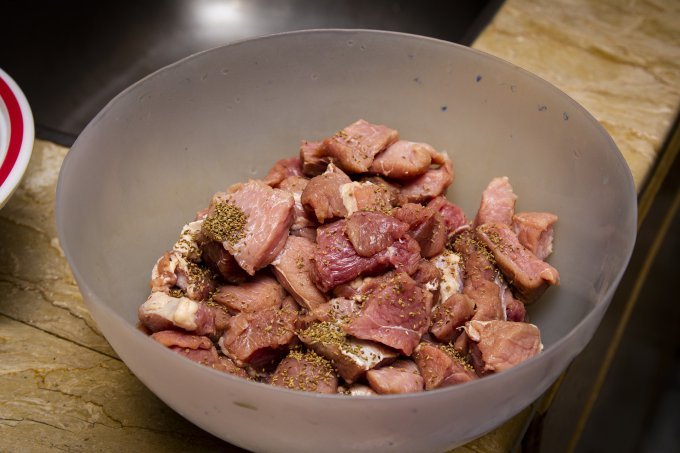
Grilled meat - pork neck pieces are the most popular. We usually buy them in foil packages with ready-made marinade. Red, beer and herbs. There are many options. It is very popular to prepare the meat yourself. But you can do it quickly, using natural spices and modifying them according to your taste.
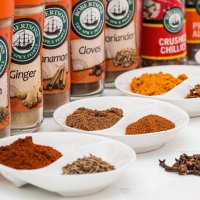
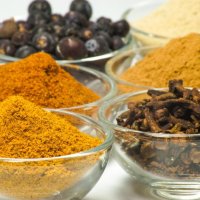
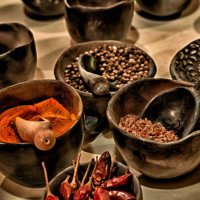
Just soak the pork neck slices in the marinade you made the day before. I use a combination of black pepper, allspice and juniper berries, garlic, bay leaf, marjoram, thyme, coriander, salt, savory and hyssop. If I want it to take on a red color, I add a small amount of paprika and paprika. I combine all the spices in a mortar and grind to a powder before adding to the canola oils. I always squeeze in fresh garlic. Herbs, in addition to their flavor, have many valuable properties.
Black pepper - This spice can be used daily, but should not be used in excess. It can cause irritation or inflammation, as well as stimulate the digestive system.
An herb that was very commonly used in roasts and curing. Nowadays it is a somewhat forgotten herb, which is a pity. It emits not only a specific aroma, but also increases the secretion of gastric juice and bile and inhibits excessive fermentation in the intestines. Juniper berries can be used in urolithiasis, diuretic in liver failure, poor gastric transit and excessive intestinal fermentation.
Garlic is an herb, but not a spice. However, as a spice it has many very good properties, if not the best. It contains vitamin A, vitamin B1, vitamin B2, vitamin C, and PP (niacin). It also contains a lot of minerals: potassium, calcium and magnesium, as well as trace elements such as cobalt and nickel. Garlic is also mentioned in the Old Testament and in Egyptian papyri. Modern research has confirmed its antibacterial and bacteriostatic properties. It inhibits the growth and fermentation of putrefactive and fermenting bacteria and destroys typhoid bacteria. The most important feature of garlic is its ability to regulate intestinal bacterial flora. It has an anti-atherosclerotic effect, prevents the accumulation of cholesterol in the veins, has a beneficial effect on heart function, lowers blood pressure, detoxifies, protects us from parasites.
Bay leaf, also known as bay leaf and bay tree. Bay laurel is revered for its ancient benefits and medicinal properties. However, a common reason for using bay laurel is for stomach problems. It can also be used externally to make tinctures and essences for rubbing to relieve rheumatic or muscle pain.
Coriander has both a diastolic and choleretic effect. It is used to treat intestinal atony. It improves peristalsis and helps in gas expulsion. It stimulates the secretion of gastric juices, which increases appetite and facilitates digestion.
Savory - This aromatic spice contains vitamin. Vitamin C and minerals: calcium, iron, potassium and magnesium. It stimulates the secretion of gastric juice, prevents intestinal fermentation, acts antibacterially thanks to the presence of tannins.
Hyssop is an herb used since ancient times. It is considered to be one of the main remedies for liver, respiratory tract diseases and tuberculosis. Studies have confirmed its ability to stimulate the secretion of digestive juices and intestinal worm movements. It is also an anti-inflammatory, antibacterial and sweat inhibitor (along with sage).