Herbs and spices - a constant in Mexican cuisine
11 February 2022
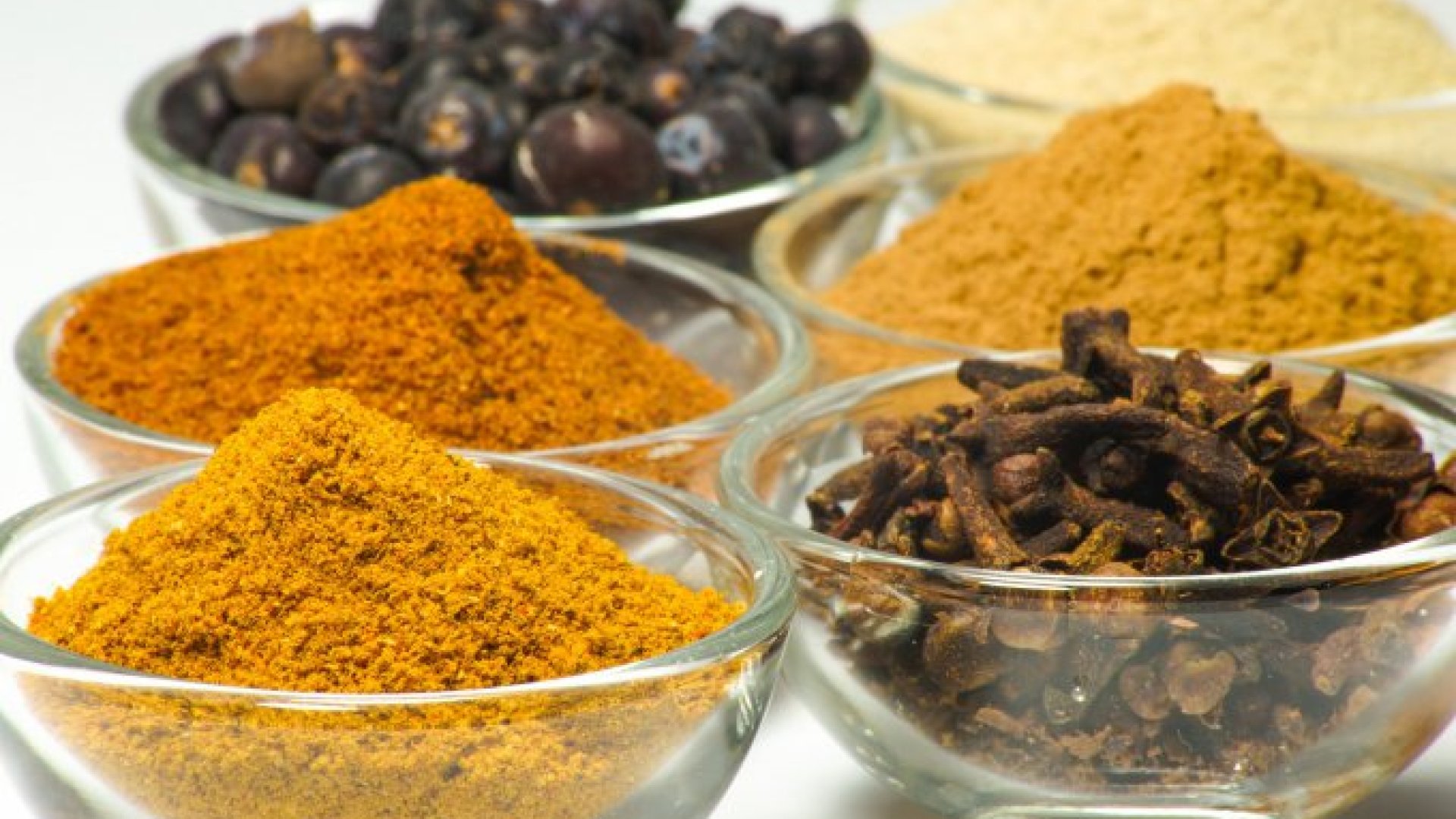
Curry is the healthiest spice in the world. The health-promoting properties of spices and herbs that are native to South Asia have been proven. Not surprisingly, Indians, who eat the most curry, have the lowest rate of cancer. Its composition can vary from place to place. Although spices from Sri Lanka may differ from those from Thailand, the basic ingredients such as turmeric, coriander and pepper remain the same.
There are many meanings of the name spice. The first is the name of an aromatic dish of vegetables, meat and seafood, with a mixture of herbs and spices. The second is the name for the leaves of Murraya koenigii. These leaves are used to season dishes and are often mistakenly thought of as a spice made up of many ingredients. Curi leaves are not often included in a mixture of the same name. The third term refers to a combination of herbs and spices that originate in Asian cuisine and have a distinctive taste and smell.
The most basic ingredients of curry spice are turmeric, coriander and fenugreek. Chili, salt, pepper, chili and garlic. Cumin and garlic, cardamoms, cloves, nutmeg ginger, mustard, white pepper, and sometimes mustard seeds are often added. In India, the most popular is yellow curry, which is dominated by turmeric. Sri Lankans prefer brown curries and Thais prefer yellow and red curries. It all depends on what ingredients you choose. In Europe, curry usually comes in the form of dried spices. In Thailand, fresh herbs and garlic are more common.
The best curry is the one made with freshly roasted beans, which are then ground in a coffee grinder or spice mortar.
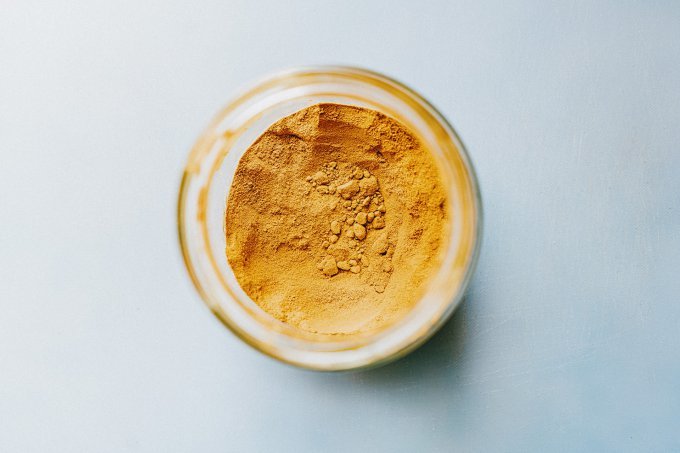
Curry is a warming and pungent spice. Each of its ingredients has health-promoting properties, so combining them in one blend is even better. It has been used for more than 4,000 years, and its health-promoting properties are well proven by experience. As a result, South Asians have used curry for centuries to prevent heart disease and cancer, improve metabolism, digestive problems, brain function and avoid dementia.
Each ingredient in curry contributes to its overall positive effects.
The classic curry dish is prepared by frying spices in a pan. This allows the spices to release their flavor, which in turn permeates all the other ingredients. Spring and summer are the best seasons to add fresh spices to dried ones.
Ingredients:
Preparation:
Lightly brown the curry spice in the oil. Fry the finely chopped onion. When the onion is glazed, add minced garlic and grated ginger to the pan. Add the diced yam and sliced carrots to the onions. After a few minutes of frying, add boiling water so that it covers the vegetables, and simmer covered. After 5 minutes add chopped peppers, beans or peas (or both). Simmer another 5 minutes, then add the diced zucchini. If necessary, boil water. After a few minutes, add the coconut milk or cream, followed by the peanut butter and tomato puree.
In the meantime, cook the rice and serve it with the vegetables.